17/04/26
 4
4
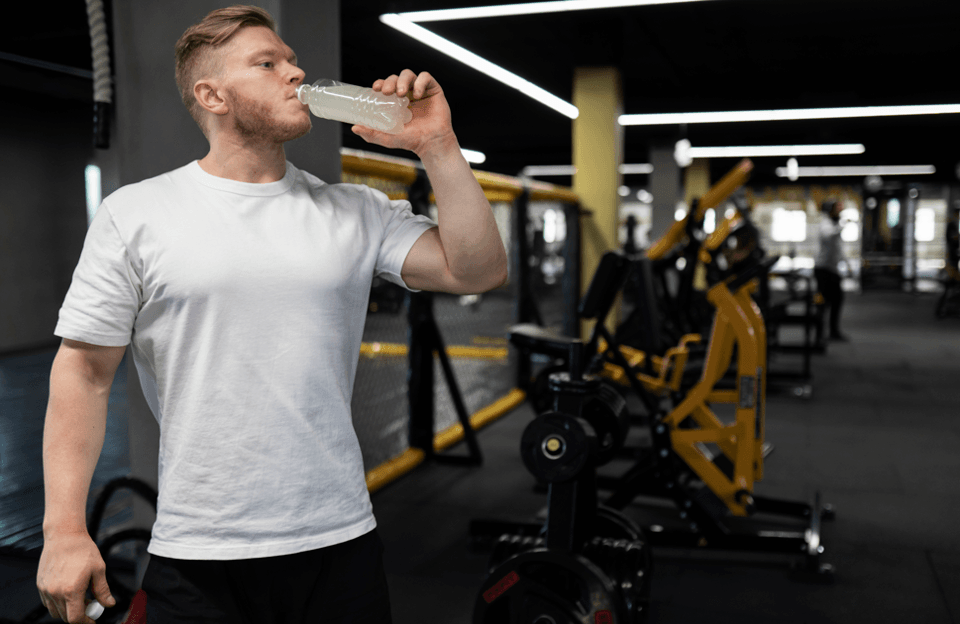
Does training without drinking burn 380% more fat? Well, probably not (and it’s dangerous, too), and whilst it may increase fat burning, it does so at the expense of overall calorie expenditure. But let’s take it one step at a time.
The temptation to gather information from Reels and short-form content affects everyone. A post claiming the existence of a scientific study suggesting that training without drinking leads to greater fat (lipid) consumption has gone viral (and become a meme) in recent days. The conclusion of these short videos and posts is that the decades-old adverts for products such as Gatorade and Powerade are, in some way, misleading.
…In reality, when content goes viral so quickly, the first step is to check whether the cited scientific source actually exists. In this specific case, the ‘study’ purportedly demonstrating increased fat consumption when training without drinking cannot be found in indexed scientific literature. This alone is sufficient reason to treat the claim with caution.
What does the scientific literature actually say?
An analysis of studies published in peer-reviewed journals in the field of exercise physiology reveals a fairly consistent picture.
One of the most frequently cited references is the study by Logan Sprenger et al. (2015), published in *Medicine & Science in Sports & Exercise*, which examined the effects of dehydration on energy substrate utilisation during prolonged exercise. The results show that, under conditions of dehydration:
- carbohydrate oxidation increases
- fat oxidation decreases
This finding is particularly significant because it directly contradicts the widely held belief: not drinking during physical activity does not increase lipid consumption, but tends to shift metabolism towards carbohydrates.
A similar line of research can be found in the work of José González Alonso, who studied the effects of dehydration and heat stress on exercise physiology. His research highlights that a reduction in plasma volume and an increase in body temperature lead to:
- greater activation of the sympathetic nervous system
- increased glycogenolysis
- greater reliance on carbohydrates as an energy source
Here too, the findings contradict the message circulating on social media.
The misunderstanding: fasting vs dehydration
Part of the confusion stems from an erroneous conflation of two distinct areas of research: carbohydrate availability and hydration status.
Studies showing increased fat oxidation during exercise mainly concern training on an empty stomach or with low glycogen stores. One example is the work by Yuki Iwayama et al. (2015), published in the Journal of Applied Physiology, which demonstrates how exercise performed before breakfast increases fat oxidation over the following 24 hours.
In this case, the mechanism is clear: the reduced availability of carbohydrates forces the body to use a greater proportion of lipids. However, this phenomenon has nothing to do with hydration.
Confusing these two aspects leads to an incorrect but communicatively effective conclusion: transforming an effect linked to nutrition into a supposed effect of dehydration.
Hydration, performance and metabolism
From a physiological point of view, hydration plays a fundamental role in maintaining performance. A fluid loss of as little as 2% of body weight is associated with:
- reduced aerobic capacity
- increased perception of exertion
- deterioration in metabolic efficiency
These factors also indirectly affect overall energy expenditure. An athlete or individual training whilst dehydrated tends to reduce the intensity or duration of their exercise, which has a negative impact on total calorie expenditure.
The role of an isotonic preparation for training
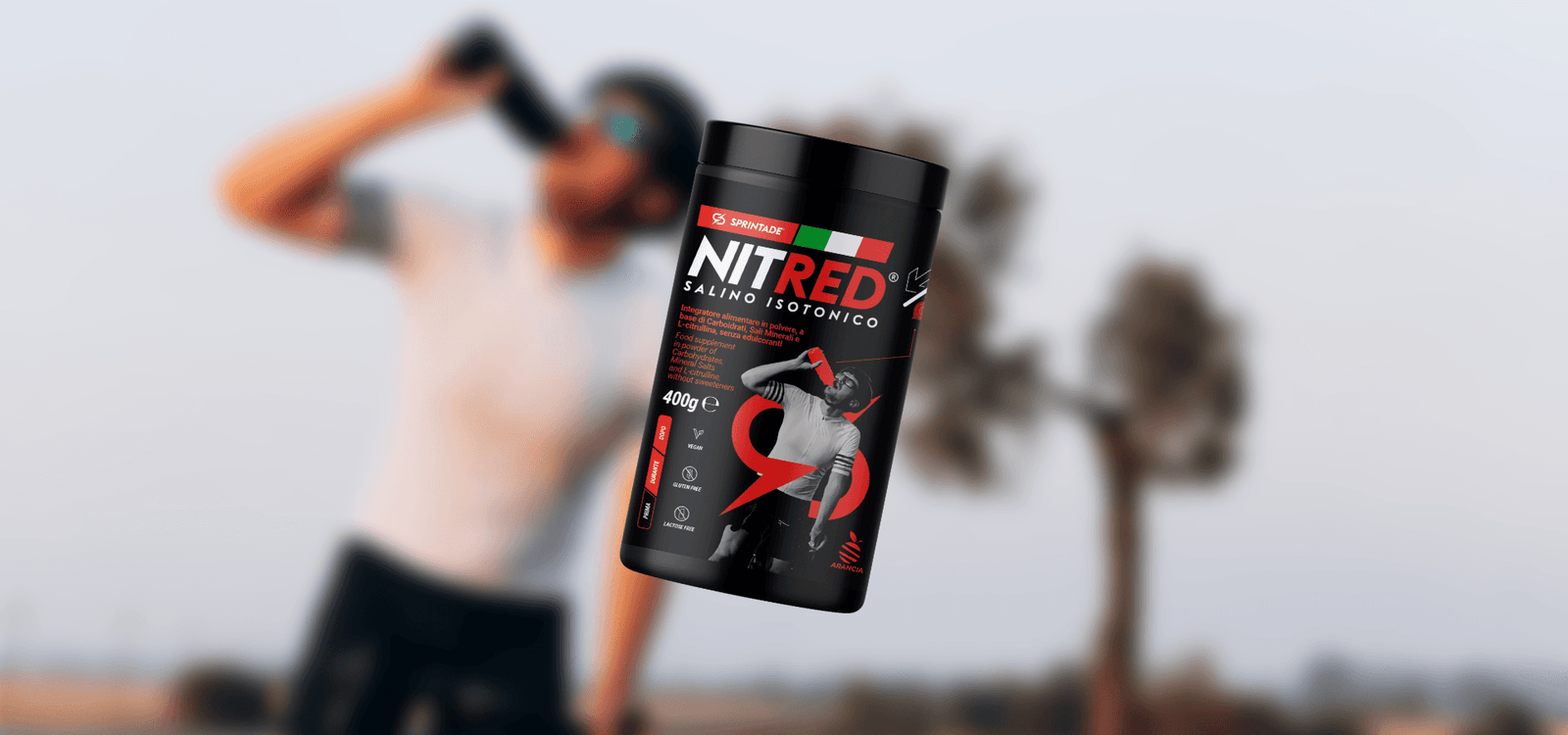
If the aim of training is weight loss, it is advisable to ensure the body performs at its best to maximise results and avoid fainting, cramps or any other form of physical distress. Whilst commercial sports drinks from the usual brands may contain inferior and poorly proportioned ingredients, artificial colourings, etc., a technical product such as Sprintade® Hydro or Nitred® allows you, at a lower cost, to sustain your training by hydrating and restoring mineral balance.
A low dose of carbohydrates, mostly in the form of complex, easily digestible starches, provides the muscles with energy and, whilst certainly not derailing the goals of a diet (low-calorie), ensures that total intake during training is maximised and risk-free (especially during the summer months).
Conclusion
The correct message, backed by the literature, is therefore the opposite of the viral one: proper hydration is a key factor in optimising both performance and, indirectly, the metabolic benefits of training. Whether using a comprehensive, specialised product like Nitred® or simply a bottle of fresh water!