12/12/25
 3
3

The ketogenic diet continues to attract athletes and fitness enthusiasts for its ability to improve body composition and stabilize energy levels. Despite this, a high percentage of people abandon it prematurely, often with the belief that “it’s not for them.” In reality, in most cases, the problem is not the ketogenic diet, but the way it is approached.
The mistakes of the ketogenic diet
One of the most common mistakes is to start too drastically and not cycle the periods of carbohydrate reduction. Abruptly reducing carbohydrates or sugars without an adjustment phase can lead to fatigue, loss of concentration, and worsened athletic performance. The body needs time to learn how to use fat as its primary source of energy, and forcing this process often leads to counterproductive results.
A second critical aspect concerns nutritional balance. Many interpret keto as an extreme low-calorie diet, eating too little or neglecting protein. For those who practice sports, this approach can cause muscle loss and insufficient recovery. The ketogenic diet only works if it is structured in a comprehensive and sustainable way. Very Low Calorie Ketogenic Diets should always be supervised by a specialist and reserved for individuals with urgent health problems (e.g., cardiovascular disease, diabetes) and obesity.
There is also a frequent contradiction: the fear of fats. Eliminating or excessively reducing fats to “lose weight faster” deprives the body of its main fuel in ketosis, making the diet difficult to maintain in the medium term. The quality of lipid sources is as important as their quantity.
Real life, snacks, and diet continuity
One of the main reasons why people stop following the ketogenic diet is the difficulty of managing it on a daily basis. Work, travel, training, and other commitments make it difficult to eat balanced meals all the time. In these situations, many people resort to seemingly healthy snacks that contain hidden sugars or excess carbohydrates, compromising ketosis.
Low-sugar protein bars: a useful tool, not a shortcut
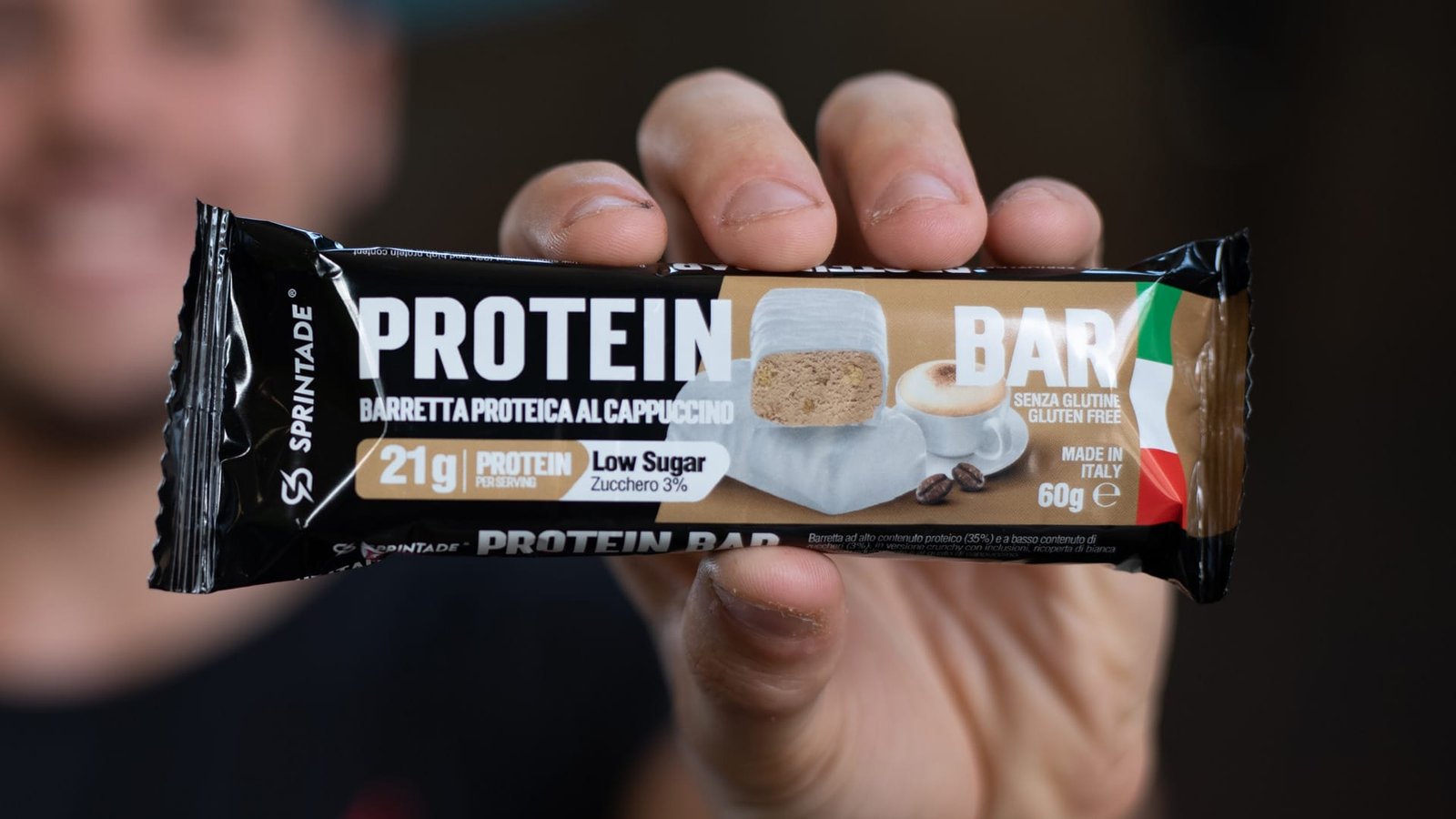
In this context, low-sugar protein bars are a practical solution that is consistent with the ketogenic diet, if chosen correctly. Bars formulated with over 20 grams of protein per 60 grams of product, minimal sugar, and a balanced nutritional profile help support muscle mass and manage critical moments of the day without straying from the diet and reducing hunger.
Conclusion
In conclusion, the ketogenic diet is neither a passing fad nor a universal solution. It is an approach that requires awareness, adaptation, and the right tools. When these elements are in place, continuity becomes possible and the benefits real.